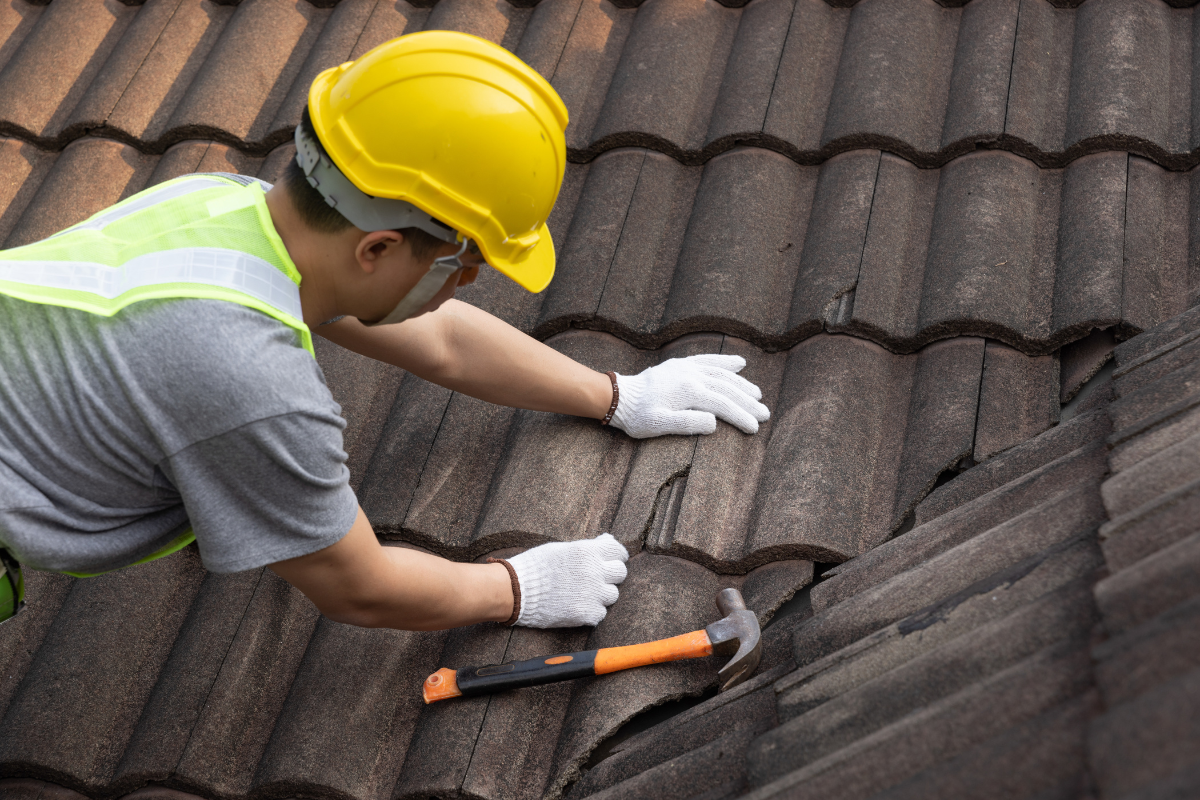
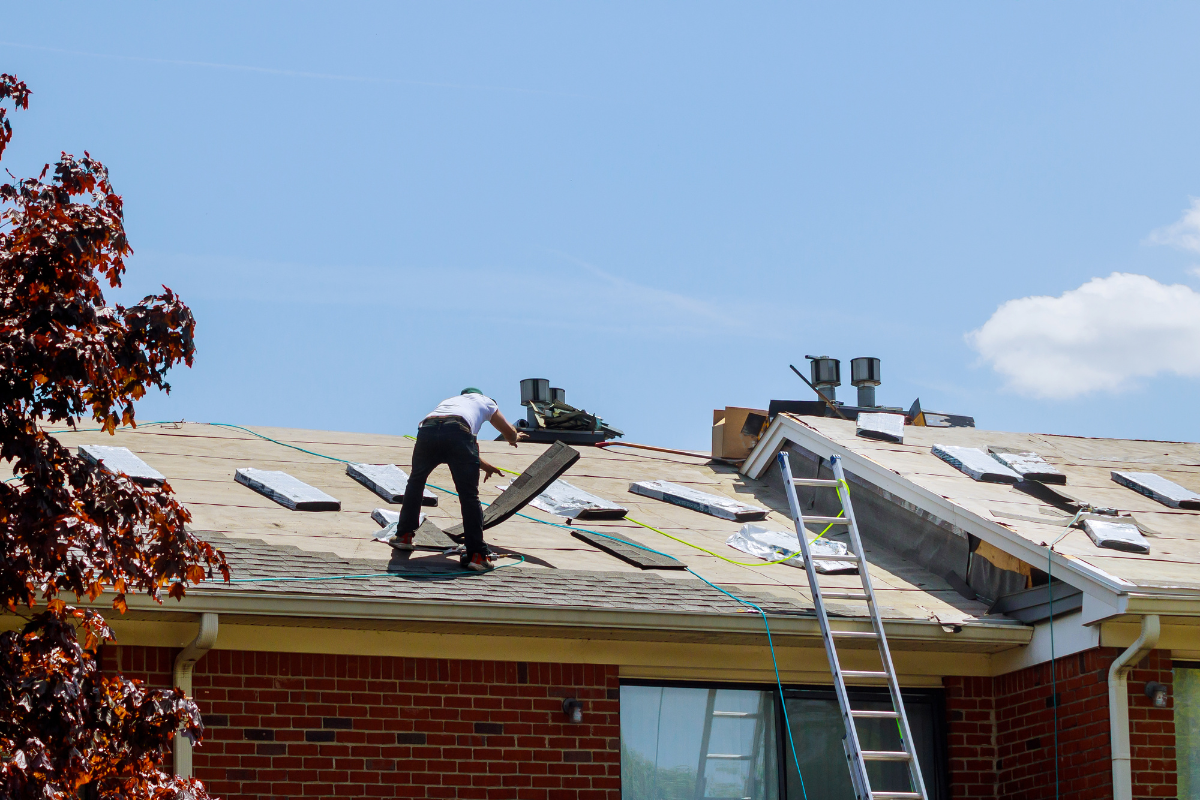
Fire safety rarely tops the list when homeowners shop shingle styles or book a roof replacement, yet it should. Roofing covers more combustible square footage than any other part of the house, and it is the surface where windblown embers tend to land during wildfires, chimney flare-ups, or neighborhood fires. Understanding shingle roof fire ratings, how they are tested, and what real-world details swing performance up or down can help you choose, install, and maintain a roof that does more than look good. It buys time in a fire and keeps embers from turning a minor incident into a catastrophe.
What fire ratings actually mean
In North America, most asphalt and fiberglass shingle products carry a fire classification based on tests defined by UL 790 (also known as ASTM E108). These standards evaluate the entire roof assembly, not just the shingle. Test labs install the shingles over a specific deck and underlayment, then expose the mock roof to flames, heat, and burning brands. The assembly is graded Class A, B, or C.
Class A is the highest rating. It indicates the roof assembly resists severe fire exposure from sources like large burning brands, high heat, and wind-driven flames. Class B and Class C are lower tiers, with progressively less stringent performance. A shingle might be capable of Class A performance, but if installed over combustible materials without the required underlayment or barrier, the assembly could only qualify as Class B or C. That detail trips up people who assume the label on the bundle guarantees top protection under any circumstances.
The main performance criteria are straightforward: does fire penetrate the deck, does flame spread beyond defined limits, do embers continue to burn and re-ignite the assembly, and does the roof’s underside ignite? Labs measure time to failure, spread of flame in feet, and re-ignition potential after the heat source is removed.
Why roof assemblies, not just shingles, drive the rating
On paper, most modern fiberglass asphalt shingles list Class A when installed with a specific underlayment over a rated substrate such as a non-combustible deck or a wood deck with an approved barrier. In the field, I have seen three jobs with identical shingles, yet different effective fire protection:
- A steep roof with fiberglass asphalt shingles over two layers of ASTM-compliant fiberglass underlayment and a 5/8 inch roof deck achieved a fully compliant Class A assembly. The homeowner lived near a fire-prone hillside and wanted the best defense against wind-blown embers. During a small brush fire two summers later, embers collected along the ridge but self-extinguished rather than smoldering under the laps. A small garage with the same shingle product installed over a thin, old plank deck without a rated underlayment probably would not pass Class A testing if you re-created it in the lab. It looked fine, but gaps in the deck and a cheap organic felt changed the assembly’s behavior under heat. A porch roof, again using the same shingle, went over an older wood deck with shingles felted directly to it and no metal edging. After a grill flare-up, embers slipped under the perimeter and ignited debris. The deck did not burn through, but a few shingles curled, and the owner needed spot repairs.
Same shingle, three assemblies, three different outcomes. That is why seasoned shingle roofing contractors insist on matching the manufacturer’s listed assembly components when fire resistance matters.
What Class A, B, and C mean in practical terms
Most municipalities east of the Rockies accept any of the three classes except in specific wildfire zones or dense urban areas. In parts of the West and the urban-wildland interface, building codes often require a Class A roof. Insurers echo that. Some carriers charge higher premiums or add exclusions if the roof is not Class A. If you are planning a roof shingle replacement in a risk zone, expect your building department to scrutinize the assembly details and your carrier to ask for documentation.
Real performance differences show up in three ways:
- Resistance to windblown embers. Class A assemblies are far less prone to ember entry, smoldering underlaps, and prolonged glow. They help stop that slow, hidden ignition that turns into open flame hours later. Flame spread along the surface. Class A assemblies limit how far the fire can move across shingles under a defined heat load and wind speed. That matters if a neighbor’s roof or an adjacent structure ignites. Deck penetration. Class A roofs better resist heat transfer and ignition of the roofing deck itself. That determines whether a fire remains superficial or spreads into the attic.
If your house sits under pines, near brush, or on a block with wood fences and sheds close together, these differences are not academic. They shape whether a small ember storm leaves cosmetic marks or burns through.
Materials, composites, and their fire behavior
Most asphalt shingles sold today use a fiberglass mat that is more heat stable than the organic felt used decades ago. Fiberglass asphalt shingles, installed within an approved assembly, are commonly Class A. Some premium shingles use thicker mats and heavier granule coverage, which adds a bit of thermal mass and helps keep the shingle intact under heat. The ceramic granules themselves contribute to fire performance by shielding the asphalt coating from direct flame.
Wood shake and shingle roofs can be treated to achieve Class B or even Class A ratings, but the fire retardant treatments weather away over time. I have inspected 10 to 12 year old treated shakes that still performed fairly well, but beyond 15 to 20 years, especially in sunny, rainy, or freeze-thaw climates, the rating is questionable unless the deck and underlayment assembly do most of the heavy lifting. If you inherit a treated wood roof and your insurer requires documentation of a Class A assembly, expect to provide proof of the underlying barriers or consider early roof shingle replacement.
Metal shingles and panels are noncombustible, yet the roof assembly still matters. Metal can transmit heat to the deck, and ember intrusion at laps or edges can ignite underlayment or accumulated debris. A properly detailed metal roof assembly can be Class A, but do not assume bare metal equals automatic top rating.
Synthetic composite shingles vary. Many are Class A as part of an approved assembly. I have seen some that rely heavily on the underlayment layer for rating and others that carry the load themselves. Always check the listing directory or the manufacturer’s ESR (evaluation service report).
The unsung hero: underlayment and deck
Underlayment choice can make or break your rating. There are fiberglass-reinforced felts, synthetic polymer sheets, and special fire-resistant layers. Some Class A listings specify a cap sheet or a mineral-surfaced underlayment beneath the shingles. Others allow a single ASTM D226 Type II felt or a labeled synthetic underlayment. The catch is that not all synthetics are equal, and not all carry fire listings for use under shingles. If a shingle roofing contractor swaps materials to what was available on the truck without checking the listing, your assembly may lose its rating on paper and performance in reality.
Deck thickness and continuity matter too. A 5/8 inch or thicker rated deck tends to perform better than a thin plank deck with gaps. If you are doing a roof shingle replacement on an older home with spaced sheathing, consider adding a solid overlay deck to tighten the assembly. It stabilizes shingle fasteners, improves wind performance, and helps with fire resistance by limiting ember entry and heat flow.
Venting, edges, and the weak spots where embers win
Fire seeks entry points. On roofs, that is almost always at the ridge, eaves, valleys, and penetrations. Ridge vents with baffles and ember-resistant mesh perform better than open slots or older aluminum vents with wide louvers. Soffit vents should have 1/8 inch corrosion-resistant metal mesh. Larger openings let embers ride the convection currents into the attic. Where the roof meets a wall, use proper step flashing and counterflashing rather than relying on sealant. At eaves, a continuous metal drip edge blocks ember lift under the starter course. I have replaced dozens of starter rows where ember intrusion, not surface flame spread, did the damage.
Skylights are frequent failure points. Plastic domes can soften under heat and let embers through. If skylights are important, look for tempered or laminated glass with metal frames and proper curb flashing. It is not strictly a shingle decision, but it affects the overall fire performance of your roof system.
Installation details that change outcomes
The same shingles can perform very differently based on how they are installed. https://www.google.com/maps/place/Express+Roofing+Supply/@25.9948714,-80.1666639,17z/data=!3m1!4b1!4m6!3m5!1s0x88d9ab108fc5d417:0x204a6f9320b88b32!8m2!3d25.9948714!4d-80.1666639!16s%2Fg%2F11vt0cyxb5?entry=ttu&g_ep=EgoyMDI1MDgyNC4wIKXMDSoASAFQAw%3D%3D During roof shingle installation, these details carry real weight:
- Nail placement and count. Over-driven or under-driven nails compromise the shingle’s seal and uplift resistance, which in turn allows embers to enter. Correct nail line placement, proper head flushness, and the manufacturer’s specified nail count all matter. Seal strip activation. Cold-weather installs sometimes leave seal strips unbonded. Crews who hand-seal key areas prevent wind lift and ember entry. On a north-facing gable in a cold snap, I have hand-sealed every third tab along rakes and ridges, then returned in spring to check bond. Starter course and drip edge. A clean, straight starter with the correct overhang and a metal drip edge forms a tight perimeter. That perimeter stops embers and water equally well. Open versus closed valleys. Metal open valleys shed debris and embers more easily than closed-cut valleys, but they must be installed with continuous underlayment and correct laps. Either can be part of a Class A assembly if detailed per the listing. Underlayment continuity. Gaps, tears, or misaligned underlayment around penetrations become ember pathways. Tapes rated for high temperature and compatible with the underlayment help. Do not mix adhesives that soften at moderate heat near a chimney or flue.
A shingle roof is a system. If your crew treats it as a mosaic of individual parts rather than a sealed, layered envelope, you will see the difference when the first wind-driven ember storm hits.
Maintenance habits that preserve the rating you paid for
A roof that met Class A in the lab can still fail in the field if debris builds up. Pine needles in valleys, dry leaves in gutters, and bird nests at vents all act like kindling. I walk roofs every fall in pine country with a soft-bristle brush, a plastic scoop for gutters, and a keen eye around chimneys. If you are not comfortable up there, schedule a shingle roofing contractor to do a seasonal sweep and quick roof shingle repair for popped nails or lifted caps.
Keep branches cut back at least 6 to 10 feet from the roof edge. Dry sap drips and needles on warm shingles are bad news. Screen chimney caps, maintain spark arrestors, and check for gaps at the cricket. Replace cracked rubber pipe boots with high-temperature silicone or metal storm collars around gas vent flashings. Heat-resistant materials at hot penetrations reduce the chance that a small leak or crack turns into an ignition point.
If a winter storm breaks tabs or loosens a ridge, do not wait. Shingle roof repair within a week or two keeps the assembly sealed. Left open, wind can lift laps and leave pathways for embers and water.
What codes and insurers look for
Expect your building department to align with the International Residential Code, which references UL 790 or ASTM E108 for roof coverings. In designated wildfire urban interface zones, you will often see mandatory Class A assemblies, noncombustible gutters, and metal mesh vent requirements. Inspectors commonly ask:
- The exact shingle model and its listing. The underlayment product and type. Deck thickness and material. Vent type and mesh size. Metal edge and valley details.
Insurers may ask for the same, plus age of roof, proximity to vegetation, and defensible space. I have seen premium reductions in the range of 5 to 15 percent for homes that combined a documented Class A shingle assembly with ember-resistant vents and a cleared 5-foot noncombustible zone around the home.
Real-world trade-offs when choosing shingles
Aesthetics, cost, and performance pull in different directions. Heavier laminated shingles often look better and hold up to wind, but they require careful handling to avoid scuffing the granules that protect the asphalt from heat and UV. Lighter three-tab shingles can still be Class A in the right assembly, yet they are more prone to wind lift if installed in cold weather without proper sealing.
Impact-resistant shingles carry UL 2218 Class 3 or Class 4 ratings for hail. That label does not automatically add fire resistance, but many Class 4 shingles are also Class A for fire as part of a listed assembly. If your region sees both hail and wildfires, shortlist products that carry both ratings and verify the underlayment and deck requirements.
Budget pressures often tempt owners to reuse old underlayment during a re-roof. That is a false savings in a fire-prone area. Underlayment is a modest share of the job cost and a critical component of the fire rating. Replace it with the listed type during any roof shingle replacement.
How to verify a shingle’s fire rating without guesswork
Marketing sheets can be vague. Look for one of three forms of proof:
- The UL directory or the manufacturer’s technical data sheet that specifically lists the shingle as Class A, B, or C per UL 790 or ASTM E108, including assembly details. An ICC-ES ESR that states the fire classification and the required substrate and underlayment. A local code compliance research report accepted by your jurisdiction.
If the document does not spell out the assembly, ask the manufacturer’s technical support for the required combination of deck, underlayment, and accessory components. Keep that in your job file. If you hire a shingle roofing contractor, put the specified assembly in the contract. That gives you leverage if the crew tries to substitute materials that break the rating.
When a repair threatens the rating
Patching a roof after wind or tree damage is often urgent. Emergency roof shingle repair should stabilize leaks and prevent further harm, but once the immediate patch is done, match the original assembly. I keep fire-rated underlayment on the truck for this reason. Mixing a non-listed synthetic under the patch can create a weak spot. After a chimney fire on a two-story colonial, we replaced a 6 by 6 foot area of deck, installed the same fiberglass-reinforced underlayment, then wove in replacement tabs from spare bundles the owner had saved. That small discipline kept the assembly consistent and satisfied the insurer.
If the roof is older and replacement shingles do not match, do not accept a patchwork of mismatched products with unknown fire behavior. Either order color-matched replacements from the manufacturer’s discontinued stock program or re-shingle the slope to restore uniform assembly performance.
A short homeowner decision guide
- If you live in a wildfire or ember-prone area, insist on a Class A assembly, verified with documentation. Do not settle for a product label without the assembly details. Prioritize underlayment and deck quality during roof shingle installation. A solid deck and the right membrane are your second and third lines of defense after the shingle itself. Choose ember-resistant vents, tight drip edges, and clean flashing details at every penetration. This hardware stops ember entry and keeps the assembly acting like a sealed envelope. Maintain the roof. Clean valleys and gutters, trim branches, and schedule quick shingle roof repair when tabs lift or caps crack. Work with a shingle roofing contractor who can show you the listing, photograph each layer during installation, and provide a closeout packet for code officials and insurers.
A note on regional realities
In coastal Southern California, even a Class A roof can fail if embers get beneath the eaves. Crews there often install tight soffit enclosures, metal bird stops at tile edges, and high-temperature underlayments beneath ridges. In the Rocky Mountain foothills, wind is the wildcard. I have stood on roofs after red-flag days where gusts sandblasted granules off the windward laps. The shingle’s seal strength and nail placement mattered as much as its fire rating. In the Mid-Atlantic, where attic humidity and moss are common, keeping valleys free of organic debris is the bigger fight. Fire might not be the daily worry, but clogged valleys turn into tinder in late summer.
Your strategy should match your region’s hazards. Fire rating is a foundation, not the whole plan.
Costs and value you can quantify
Upgrading from a generic felt underlayment to a listed fiberglass or synthetic product that supports a Class A assembly might add 0.10 to 0.35 dollars per square foot on a typical job. Ember-resistant vents add 20 to 60 dollars per opening compared to basic models. Drip edge and metal accessories are marginal costs, but they pay back quickly in both weather and fire performance.
If your insurer offers a reduction for a verified Class A roof and defensible space, the savings over 5 to 10 years often offset the upgrade costs. On a 2,200 square foot roof, I have seen total upgrades cost in the range of 500 to 1,500 dollars above a bare minimum re-roof. That is less than the deductible on many policies and far less than the cost of even a small attic fire.
When to replace rather than repair
There is a point where patching an aged, brittle roof no longer makes sense. If shingles are losing granules across large areas, the asphalt is exposing, and tab edges snap during gentle lifts, you cannot maintain a reliable seal. For fire performance, a tired roof is a leaky roof. Embers follow the same paths as water and wind. In that condition, a roof shingle replacement with a clean, listed Class A assembly is a better investment than chasing repairs.
On wood shake roofs with expired fire treatment, replacement is typically the prudent move in any moderate to high fire-risk zone. Even if you overlay with a cap sheet to chase a rating, the underlying material remains fuel.
Selecting the right contractor and holding the line
Pick a shingle roofing contractor who treats fire rating as a system requirement, not a marketing line. Evidence helps. Ask for:
- Photos of deck repair, underlayment installation, flashing details, and ridge vent installation, time stamped during the project. Material data sheets and listing numbers for shingles, underlayment, vents, and any fire-resistant membranes. A written scope that names the assembly components and states “install per manufacturer’s fire-classified assembly requirements.”
If a bid undercuts the others by a wide margin, check for missing underlayment, cheaper vents, or skipped metal edges. Most price gaps come from shortcuts that quietly degrade performance.
The bottom line
Fire ratings are not abstract labels. They represent how a complete shingle roof assembly behaves under stress, with heat, flames, wind, and embers trying to find a way in. The choices you make during roof shingle installation, from underlayment to vents, influence the rating as much as the shingle itself. When you maintain clean valleys and gutters, patch promptly, and keep edges tight, you preserve the defense you paid for.
If you are planning shingle roofing work, talk through the assembly with your contractor. Ask to see the listing. Make sure the deck is solid, the underlayment is correct, and the venting is ember resistant. When the next ember storm blows through, you will not be wondering if those extra details mattered. You will be sleeping.
Express Roofing Supply
Address: 1790 SW 30th Ave, Hallandale Beach, FL 33009
Phone: (954) 477-7703
Website: https://www.expressroofsupply.com/
FAQ About Roof Repair
How much should it cost to repair a roof? Minor repairs (sealant, a few shingles, small flashing fixes) typically run $150–$600, moderate repairs (leaks, larger flashing/vent issues) are often $400–$1,500, and extensive repairs (structural or widespread damage) can be $1,500–$5,000+; actual pricing varies by material, roof pitch, access, and local labor rates.
How much does it roughly cost to fix a roof? As a rough rule of thumb, plan around $3–$12 per square foot for common repairs, with asphalt generally at the lower end and tile/metal at the higher end; expect trip minimums and emergency fees to increase the total.
What is the most common roof repair? Replacing damaged or missing shingles/tiles and fixing flashing around chimneys, skylights, and vents are the most common repairs, since these areas are frequent sources of leaks.
Can you repair a roof without replacing it? Yes—if the damage is localized and the underlying decking and structure are sound, targeted repairs (patching, flashing replacement, shingle swaps) can restore performance without a full replacement.
Can you repair just a section of a roof? Yes—partial repairs or “sectional” reroofs are common for isolated damage; ensure materials match (age, color, profile) and that transitions are properly flashed to avoid future leaks.
Can a handyman do roof repairs? A handyman can handle small, simple fixes, but for leak diagnosis, flashing work, structural issues, or warranty-covered roofs, it’s safer to hire a licensed roofing contractor for proper materials, safety, and documentation.
Does homeowners insurance cover roof repair? Usually only for sudden, accidental damage (e.g., wind, hail, falling tree limbs) and not for wear-and-tear or neglect; coverage specifics, deductibles, and documentation requirements vary by policy—check your insurer before starting work.
What is the best time of year for roof repair? Dry, mild weather is ideal—often late spring through early fall; in warmer climates, schedule repairs for the dry season and avoid periods with heavy rain, high winds, or freezing temperatures for best adhesion and safety.